
Q2 FY26
Letter to Investors — October 2025
October 3, 2025

“Technology has changed, the height of humans has changed, and fashions have changed. Yet the ability of governments and investors to delude themselves, giving rise to periodic bouts of euphoria that usually end in tears, seems to have remained a constant.”
Dear Investors,
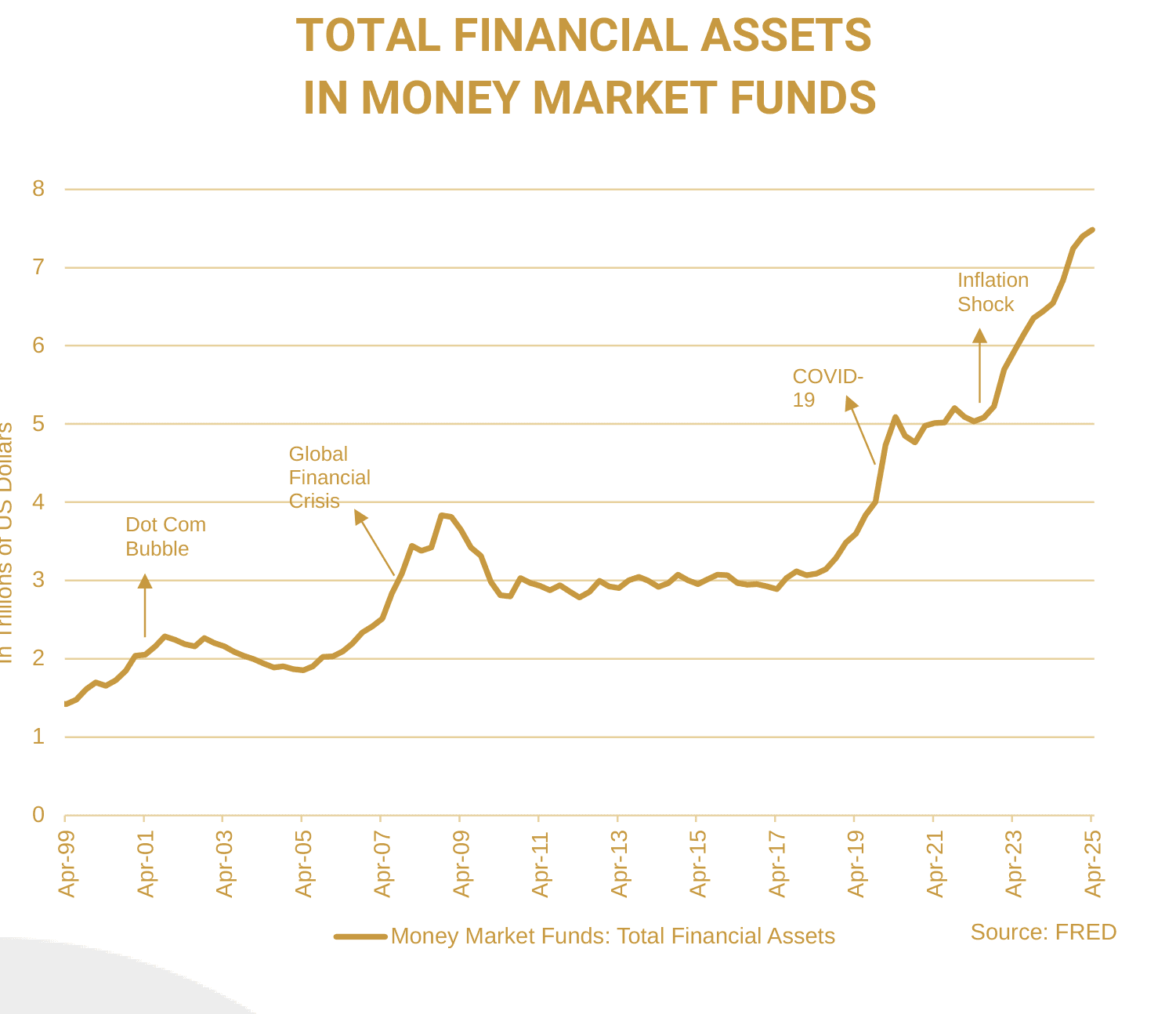
Prosperity, for an investor, is the greatest anaesthetic. It not only dulls the memory of past pain but dangerously amplifies the inability to prepare for the next crisis. For two decades, central bank interventions have nurtured this numbness, addressing every decline in risk assets and conditioning investors to expect a rescue. We worry this strategy of kicking the can down the road has hit its least marginal propensity. Prolonged easy money policy has pushed investors out the risk curve globally, inflating concurrent bubbles across government debt, real estate, private credit, private equity, crypto, and growth stocks, with AI being the latest. We do not know when these bubbles will burst, or if a new one is coming. We also do not know which one will be the first to pop or how the others will follow. All we know is that global dynamics are ripe for it, and that we are ready to capitalize on it when it does.
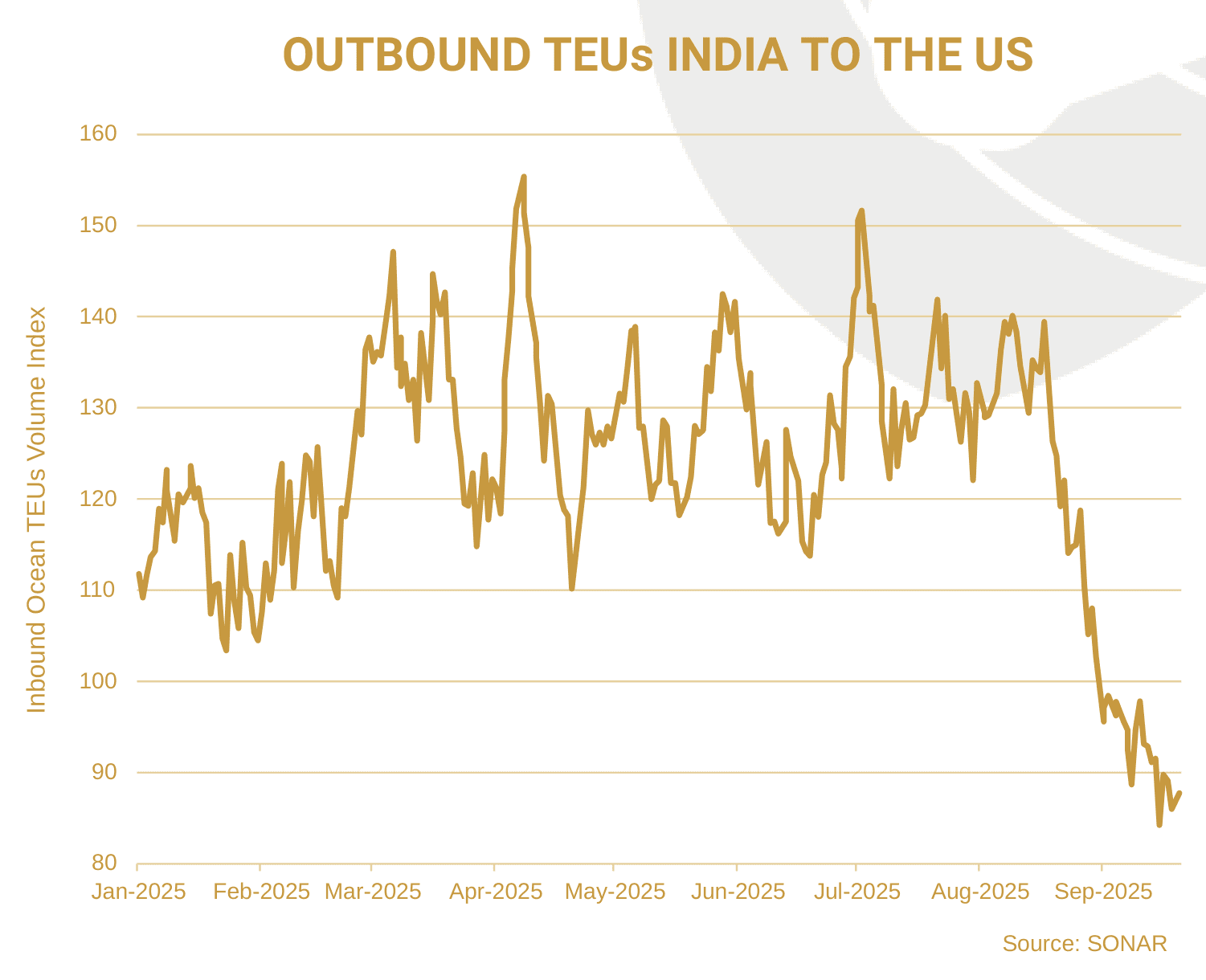
Locally, the Indian market must contend with its own set of pressing short-term headwinds. In the global trade war, India finds itself as the unfortunate ‘poster boy’ of Washington’s tariff policy, holding significantly fewer diplomatic cards compared to nations like China or Russia. The consequences are tangible: a 50% tariff levied on Indian merchandise exports triggered a sharp 30%+ drop in shipments to the US in September.
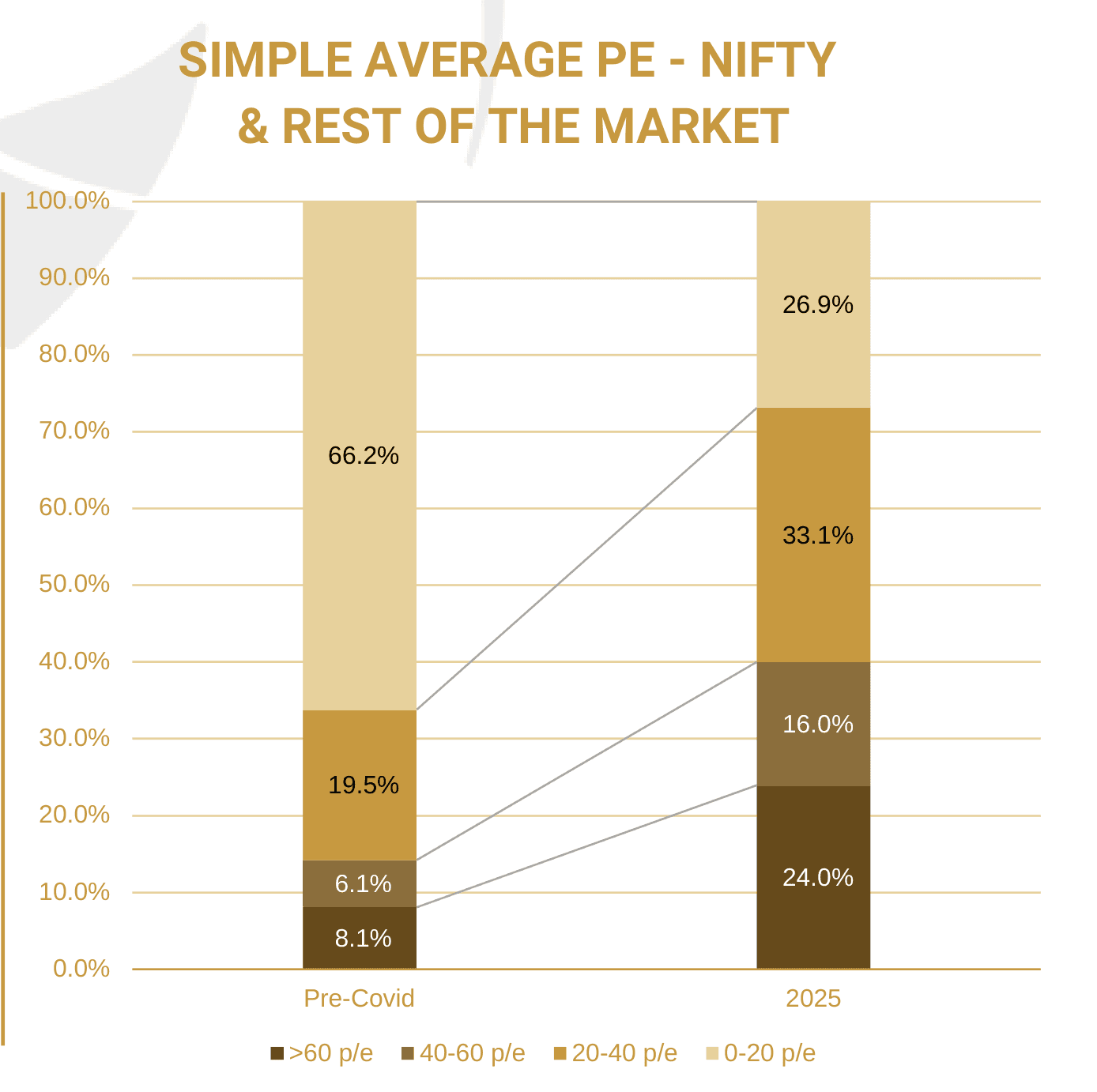
Crucially, the removal of these tariffs appears conditional on a peace resolution in Europe or India giving in to some agri imports post Bihar elections, making the outlook far more uncertain. The Indian equity market’s relative resilience is fuelled more by sentiment and hope than by concrete certainty. However, the immediate, tactical challenge for investors is the current valuation landscape, where mean and median multiples for companies outside the Nifty50 are trading at premiums unseen in recent memory.
Current Positioning
While Growth is found in fewer pockets and Valuations are unsupportive in most, the only thing that continues to work for risk assets is reflation. Governments globally are either increasing fiscal stimuli to counter trade dislocations or using monetary stimulus to inflate their way out of unsustainable debt. We believe the safest beneficiary to play this scenario are monetary metals. Early in the quarter, we positioned ourselves with exposure to Silver and Gold ETFs.
Pegasus’ investment thesis for equities requires both – growth and valuation – to work for us: growth from revenue and margin expansion, and valuation through P/E expansion. In recent months, growth in many companies has become increasingly questionable, and valuation downside is evident in almost all. To add to that, we see elevated liquidity risk (the ability to exit a position with minimal impact) in the market.
Our view on earnings, liquidity, geopolitics, and trade has driven us to totally realign our investment strategy for the coming year, now significantly limiting risk weights for small and micro-caps in our portfolio. As we look to reinvest our cash hoard over the coming months, we will be seeking investments in mid to large sized companies with limited liquidity risk.
Our Investment in Monetary Metals
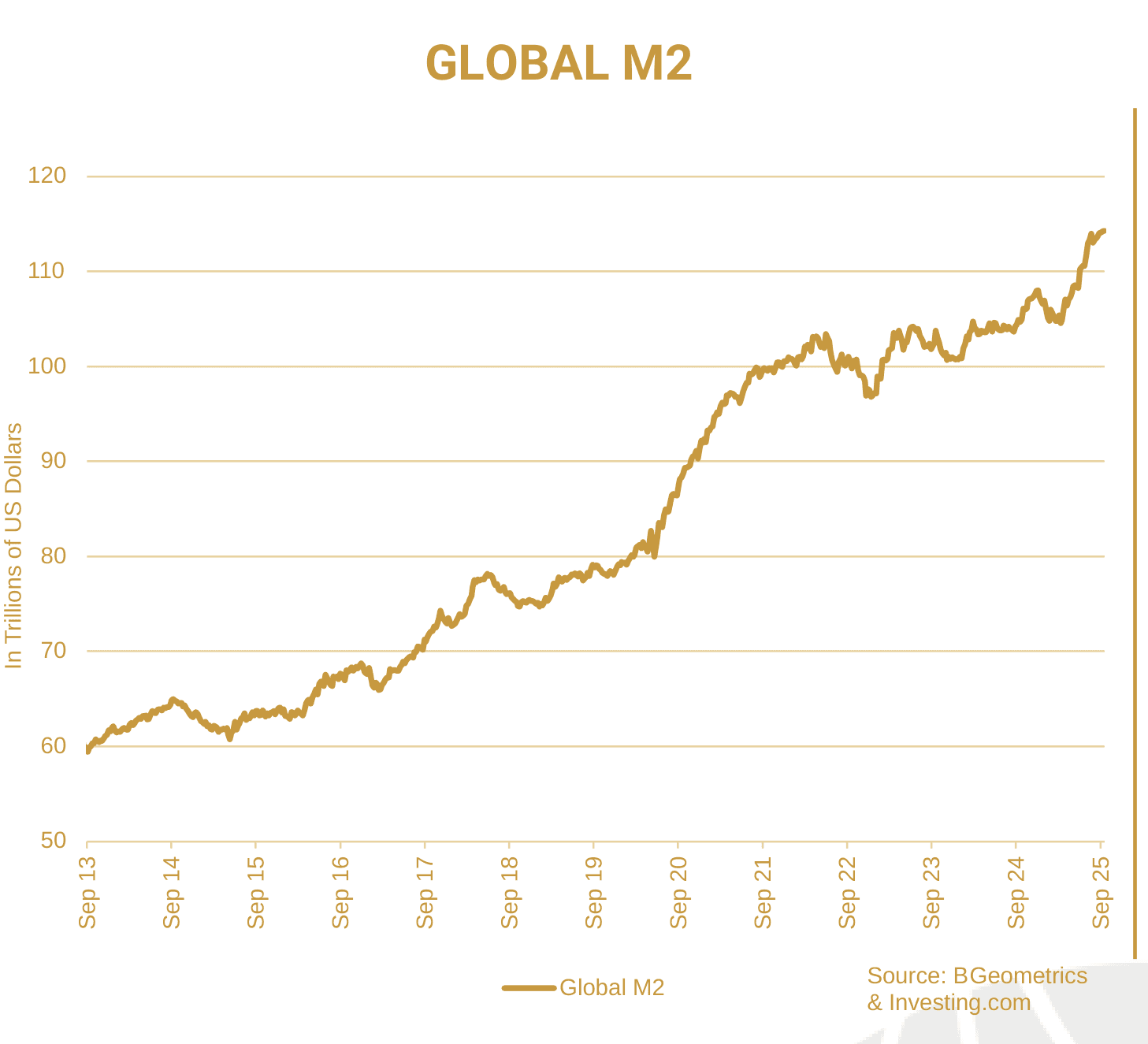
Global M2 levels are on the rise again, and there are increasing signs of financial repression from governments cutting rates even as inflation continues to march higher. Over the last 12 months, the number of interest rate cuts announced by global central banks added up to 168, just shy of the 195 cuts seen during the pandemic. This is happening despite inflation heating up. For first-world countries, mired by unsustainable debt and unserviceable future social costs, inflation allows governments to repay their debts in currency that has much less purchasing power than it did when the loans were made. Governments aligned to depreciating purchasing power, low rates, and rising inflation is a goldilocks scenario for monetary metals.
Monetary metals also tend to do well in a scenario of increasing conflicts and dislocations in the energy supply chain – to both of which we assign a small but present probability. Finally, monetary metals also tend to perform well, at least in the early phase of a financial crisis, giving holders enough time to exit. While central banks continue to add gold to their reserves, Silver’s appeal lies in its dual role as both a monetary metal and a vital industrial commodity. More than half of silver’s demand comes from industrial uses that are tied to long-term growth trends (solar cells, electronics, smartphones, laptops, 5G technology, electric vehicles) while its supply is restricted by the nature of it being a by-product in most mines.
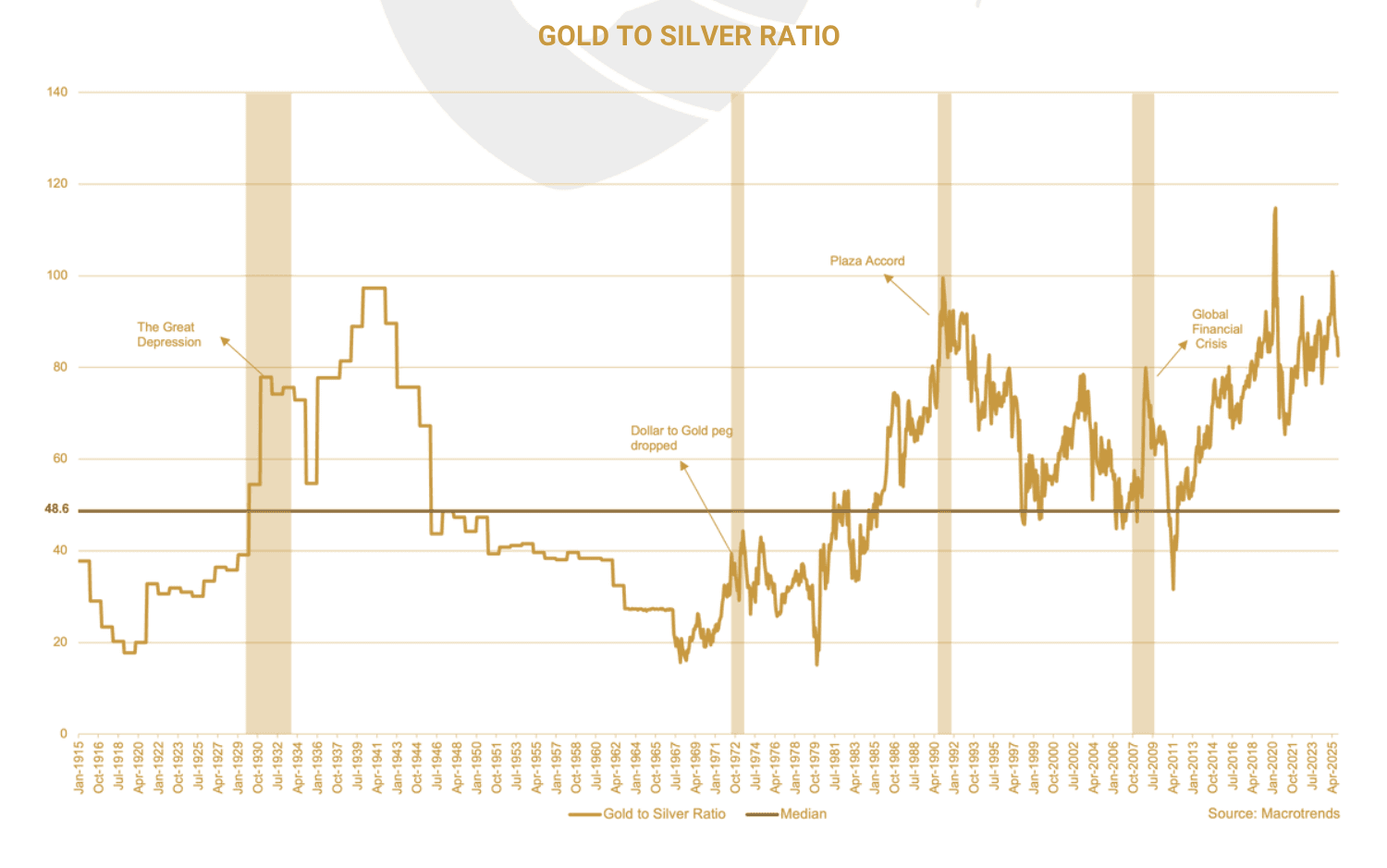
For much of the 20th century, the gold-to-silver ratio averaged around 47:1. In the Roman Empire, it was fixed at about 12:1. In Medieval Europe, it moved between 9:1 and 12:1, while the U.S. Coinage Act of 1792 set it at 15:1. Today, the ratio stands at approximately 82:1. We believe the ratio has significant potential to squeeze in favour of silver.
Market Outlook
India’s foreign policy of strategic autonomy has, at least for now, put it between a rock and a hard place. It is in the difficult position of not aligning with a border adversary with whom it has a trade deficit of US$100bn and being pushed to the corner by a trade partner with whom it has a trade surplus of US$42bn.
While the H1B fees of US$100,000 introduced by Washington makes onsite deployment mostly redundant, over the medium term we expect an increase in offshoring, especially to global development centres. Needless to say, the bigger risk to Indian IT Services exports comes from a widescale adoption of AI rather than the visa fees.
Frothy Valuations Outside the Index
We maintain a long-term view that trade headwinds will eventually ease, but in the process reinforcing the importance of having the manufacturing sector as a core component of the country’s strategic autonomy. Yet, we expect short-term pain. The Nifty’s -4.65% one-year return (as of September) partly reflects this transition, but its lingering resilience is fuelled by hopes of a swift resolution, making it vulnerable to further fall. Our primary alarm bell, however, is ringing for the valuation risk concentrated in non-Nifty companies, especially in the mid and small-cap space.
The fundamental rule of market compensation that smaller, riskier stocks should trade at a discount, has been dangerously inverted. Historically, mid-caps were valued lower than large-caps, and small-caps below mid-caps. Today, this dynamic is flipped, offering clear evidence of the speculative froth that has pushed investors to the extremes of the risk curve. While similar valuation spikes have accompanied past market euphoria, the current magnitude of this premium is truly historic.
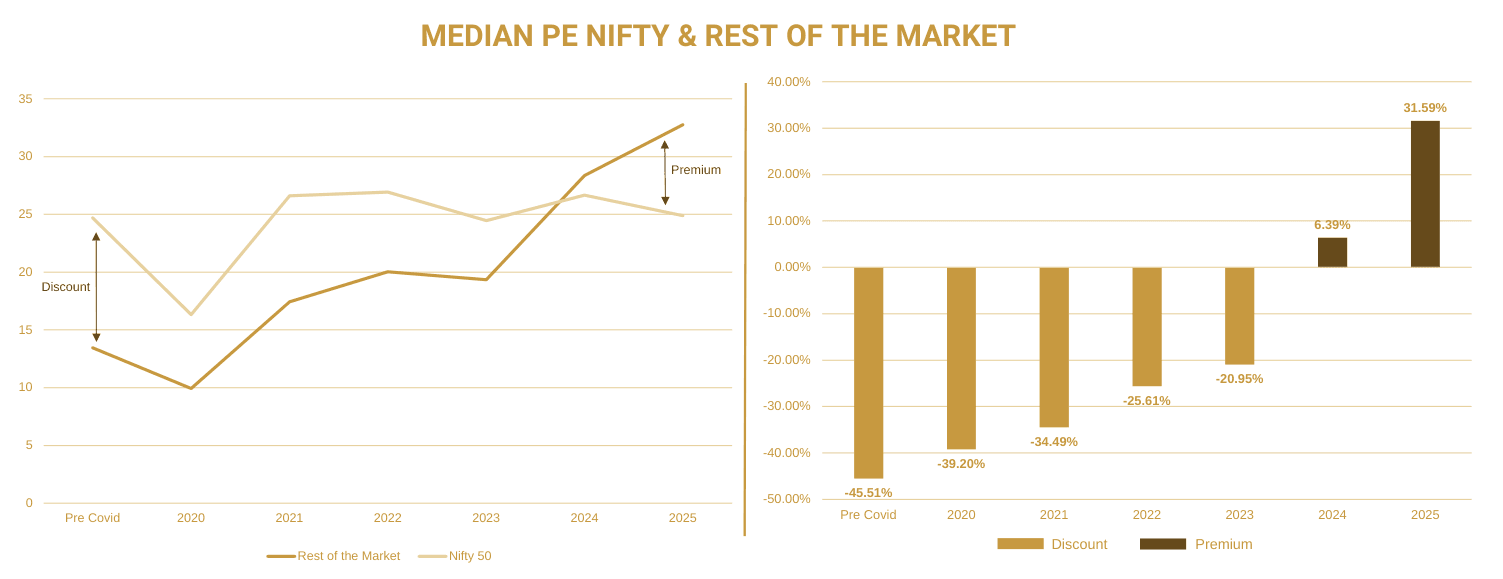
To properly evaluate this divergence, we looked beyond weighted average P/E, which often obscures overvaluation in smaller companies, and focused on simple average and median P/E for a universe of 2,120 companies. The data is stark: The simple average P/E (for the non-Nifty 50 universe) now trades at a 58% premium to the Nifty 50, a complete reversal from the 21% discount observed before the pandemic. The median P/E for this group now sits at a 32% premium, compared to a substantial 45.5% discount pre-COVID.
As investors worldwide chase returns higher on the risk curve, our focus remains squarely on capital preservation. We are content to wait until our fundamental convictions are met.
Thank you for your continued trust and support.
Sincerely,
Team Pegasus